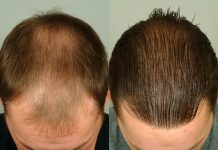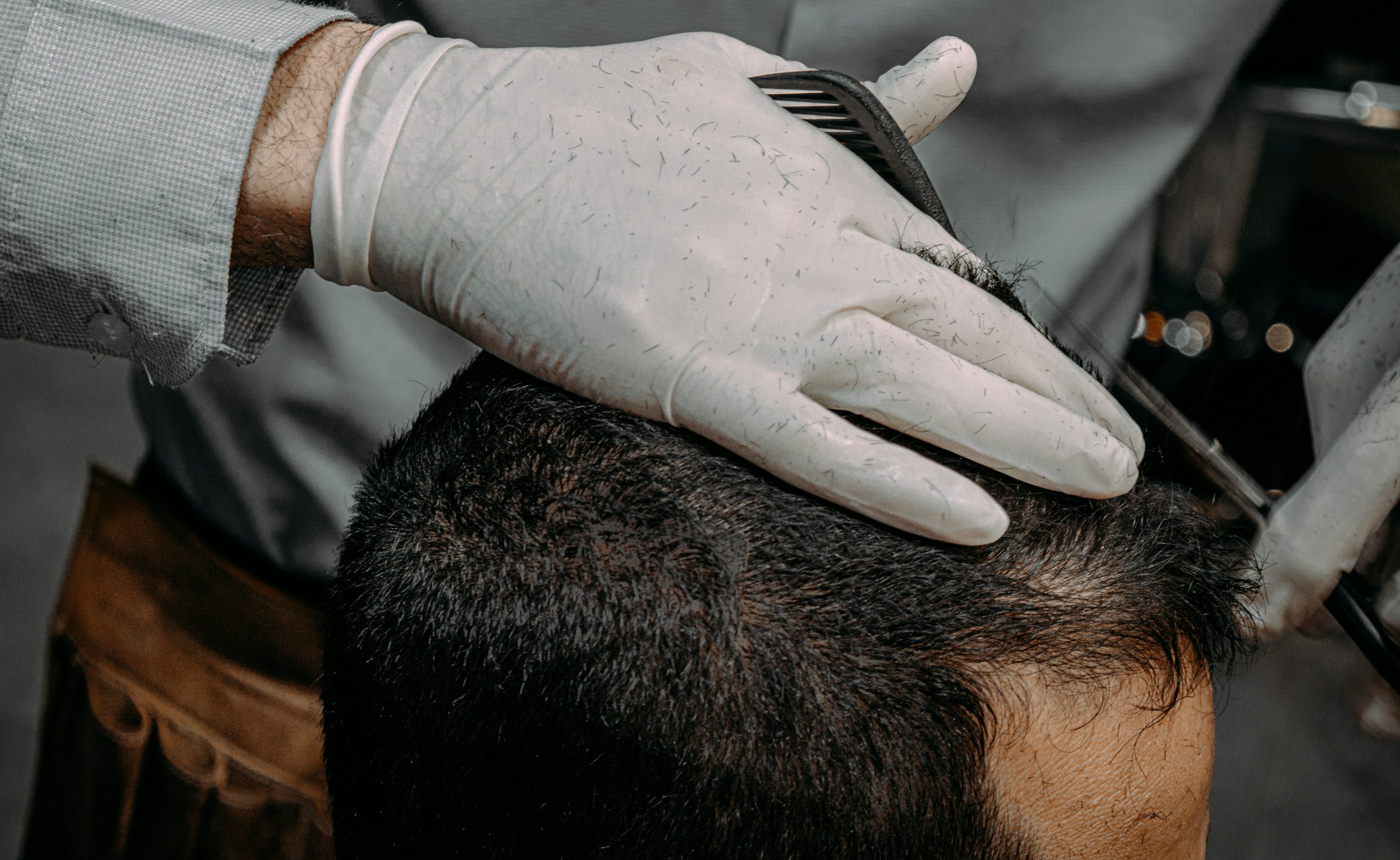
Hair loss is no longer viewed as a silent struggle or an inevitable part of ageing. In recent years, it has become a deeply personal concern tied to self-image, professional confidence, and emotional well-being. What makes the present moment particularly interesting is not just the availability of hair transplant procedures, but the way the entire concept of hair restoration has evolved. From being a cosmetic luxury to a medically refined solution, hair transplants today sit at the intersection of science, aesthetics, and personalisation.
In a city as dynamic and image-conscious as Mumbai, individuals actively seek outcomes that look natural, age-appropriate, and long-lasting. This growing awareness has led many to research clinics that combine medical credibility with artistic precision, often in search of the best hair transplant in Mumbai, where outcomes are measured not just by density but by how seamlessly restored hair blends into an individual’s identity.
Why Hair Restoration Is No Longer a One-Size-Fits-All Solution
Earlier perceptions of hair transplants revolved around standard grafting techniques and uniform hairlines. Today, that mindset feels outdated. Hair loss patterns differ drastically based on genetics, lifestyle, stress levels, hormonal balance, and even environmental exposure. A person in their late twenties experiencing aggressive hair thinning presents a very different case compared to someone in their forties with gradual recession.
Modern hair restoration focuses on understanding these nuances before any surgical planning begins. Clinics now emphasise pre-procedure diagnostics, scalp health analysis, and long-term hair loss progression mapping. This shift reflects a broader change in patient expectations, where people are not just seeking hair regrowth but solutions that age well and require minimal corrective work in the future. This approach is increasingly associated with a leading hair transplant in Mumbai, where strategy matters as much as surgical skill.
The Role of Technology in Shaping Modern Hair Transplants
One of the most defining changes in the hair transplant industry is the integration of advanced medical technology. High-magnification extraction tools, precision implantation techniques, and digital hairline simulations have significantly reduced guesswork. Surgeons can now visualise outcomes before the first graft is placed, allowing patients to actively participate in design decisions.
Technology has also improved graft survival rates. Better handling of follicles, temperature-controlled environments, and refined implantation angles contribute to denser, healthier growth. These advancements mean that patients today experience results that are more predictable and natural-looking than ever before, with reduced recovery time and minimal scarring.
Natural Hairlines as a Form of Facial Design
Hair restoration is no longer limited to filling bald patches. It has become a form of facial design that considers bone structure, forehead proportion, and natural hair movement. A well-designed hairline subtly enhances facial symmetry without drawing attention to itself. This is why modern clinics focus heavily on aesthetics rather than density alone.
The artistry involved in placing each graft plays a critical role in the final outcome. The direction, angle, and spacing of follicles determine whether transplanted hair appears organic or artificial. This level of precision requires not just experience, but an understanding of how hair behaves over time. A hairline that looks good immediately after the procedure should still look appropriate ten years later.
Psychological Impact of Hair Restoration
Hair loss often affects individuals far beyond the physical aspect. Studies and patient experiences consistently show links between hair thinning and reduced self-esteem, social withdrawal, and even professional hesitation. The emotional weight of hair loss is frequently underestimated.
Hair restoration, when done correctly, can have a transformative psychological impact. Patients often report improved confidence, increased social engagement, and a renewed sense of self. This emotional shift is not about vanity, but about restoring a part of oneself that felt lost. Clinics that recognise this emotional dimension tend to focus more on patient counselling and expectation management, ensuring satisfaction goes beyond physical results.
Preventive Thinking in Hair Transplant Planning
A significant trend shaping the future of hair transplants is preventive planning. Instead of waiting for extensive hair loss, individuals now seek early intervention strategies that preserve existing hair while restoring thinning areas. This approach minimises the need for multiple procedures and ensures better long-term density.
Preventive planning also involves understanding donor area limitations. Responsible clinics prioritise sustainable extraction methods that protect the donor region, ensuring it remains healthy for years after the procedure. This foresight is crucial in achieving results that remain natural as hair loss progresses elsewhere on the scalp.
Post-Procedure Care as a Long-Term Investment
Another evolution in hair restoration lies in the emphasis on aftercare. The procedure itself is only one part of the journey. Long-term success depends on scalp care, lifestyle adjustments, and sometimes medical therapies that support hair growth.
Patients are increasingly educated about factors such as nutrition, stress management, and hair maintenance routines that influence results. This holistic view aligns hair restoration with overall wellness, making it a long-term investment rather than a quick fix.
Ethical Practices and Transparency in Hair Transplant Clinics
With the rising demand for hair transplants, ethical practices have become more important than ever. Transparent consultations, realistic outcome discussions, and honest eligibility assessments are critical markers of a reputable clinic. Not every individual is an ideal candidate for a transplant, and responsible practitioners prioritise patient well-being over volume.
This ethical approach builds trust and contributes to higher satisfaction rates. Clinics that invest time in education and clarity often establish long-term relationships with patients, who return not just for procedures, but for ongoing guidance.
Why Mumbai Has Become a Hub for Advanced Hair Transplants
Mumbai’s position as a medical and aesthetic hub has played a significant role in shaping hair transplant standards in India. Access to skilled surgeons, advanced infrastructure, and a diverse patient base has driven innovation and specialisation. Patients from across the country and abroad now consider Mumbai a destination for advanced hair restoration.
Within this landscape, Bloom Hair Transplant has emerged as a name associated with medical precision and patient-centric care. The clinic’s approach reflects the broader evolution of hair transplants, focusing on customisation, safety, and long-term results rather than quick cosmetic fixes.
Hair Restoration And Its Future
Looking ahead, hair transplants are expected to become even more personalised. Advancements in regenerative medicine, improved graft preservation techniques, and data-driven treatment planning are already shaping the next phase of hair restoration. The focus will continue to shift toward subtlety, sustainability, and integration with overall health.
For individuals considering hair restoration, the conversation is no longer just about regaining hair, but about choosing a solution that aligns with their lifestyle, expectations, and long-term goals. In this new era, hair transplants are not just procedures, but thoughtfully designed experiences that restore more than just hair.