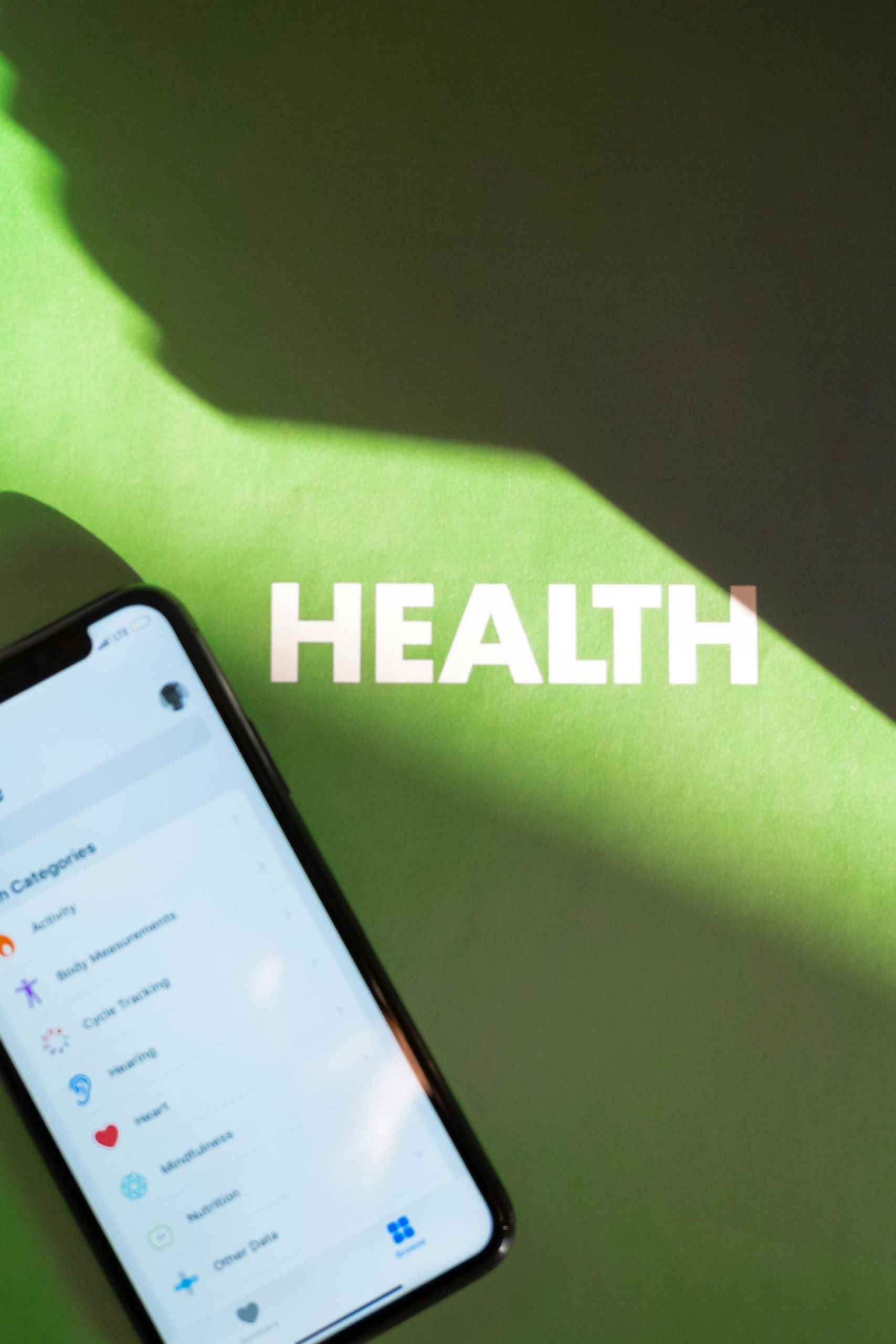
Healthcare feels different now. Less distant. Less formal. It shows up in places people didn’t expect a few years ago, such as on a wrist during meetings, through sleep notifications at 7am, or in the middle of a random Tuesday when a phone suddenly suggests taking a walk.
A lot of people wake up and check sleep scores before checking the weather. Some know exactly how many hours they slept, but still feel exhausted anyway. Others track steps obsessively during workdays because a watch keeps reminding them they’ve been sitting too long. That kind of behaviour barely existed a decade ago.
Technology has pushed healthcare out of clinics and into normal daily life. Sometimes helpfully. Sometimes excessively. Probably both.
Wearables Changed the Way People Pay Attention to Health
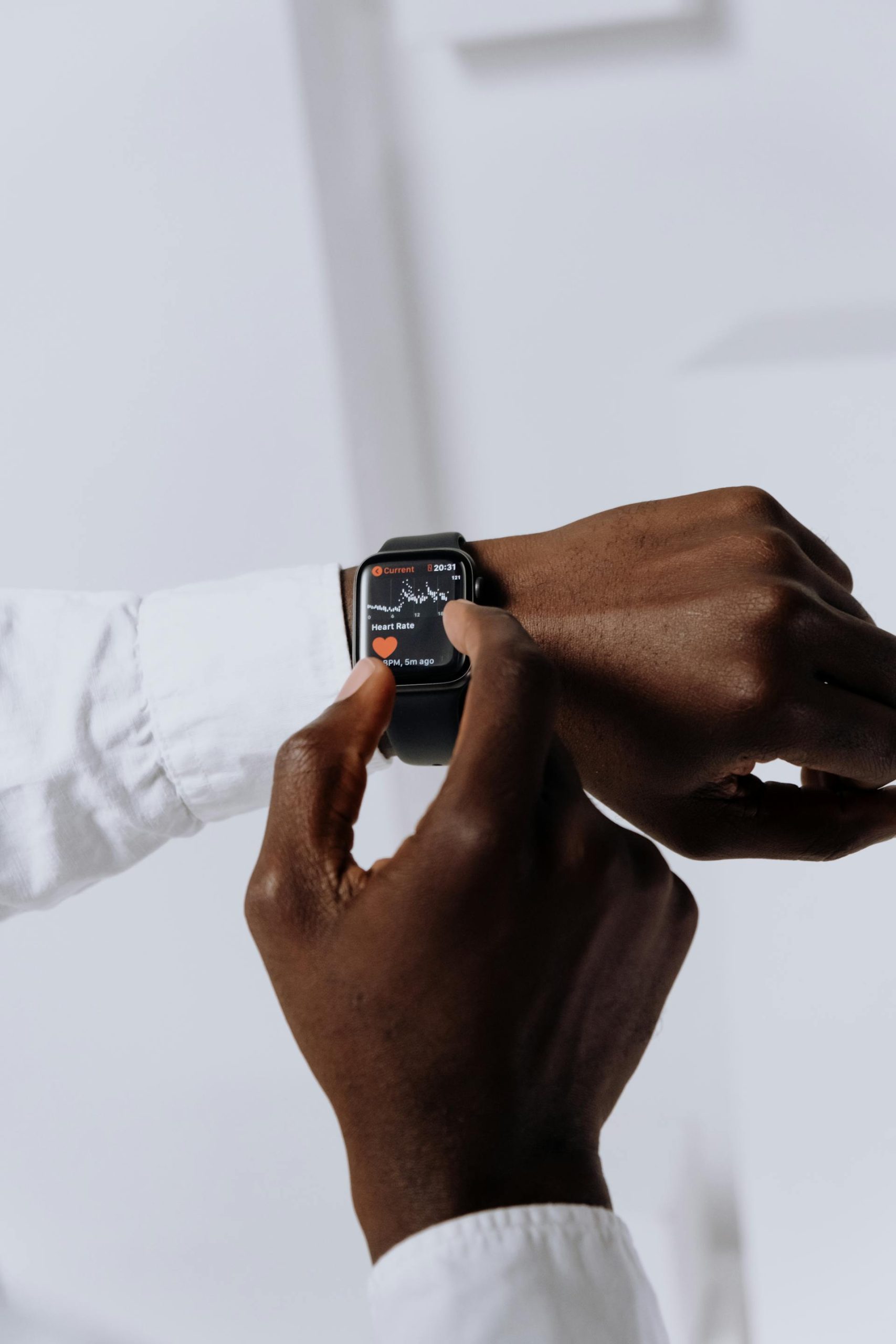
Fitness watches used to feel gimmicky. Mostly step counters with expensive branding attached to them. Now they track heart rate trends, stress patterns, oxygen levels, workout recovery, and sleep quality with surprising accuracy. The interesting part is not the technology itself. It’s how quickly people changed their habits around it.
Someone who ignored sleep for years suddenly starts caring after seeing three straight mornings of “poor recovery” notifications. Office workers start walking during calls because their watch vibrates after long periods of inactivity. Small nudges like these quietly become part of everyday behaviour.
The American Heart Association has also discussed how wearable technology is helping improve awareness around physical activity and cardiovascular health.
There’s another side to this too. Some people have become overly dependent on tracking everything. Calories, sleep cycles, stress scores, water intake. Health starts feeling less intuitive and more like managing a dashboard. That tension is becoming more common in fitness culture now. Data helps, but too much data can also make people anxious.
AI Is Already Involved in Healthcare Quietly
Artificial intelligence still gets talked about like it belongs in the future, even though most people already interact with it constantly.
Healthcare apps use AI to suggest workout plans, identify sleep patterns, and recommend nutrition changes. Hospitals use AI-assisted systems to review scans and flag abnormalities faster than manual reviews alone. Some of it works remarkably well. Some of it still feels questionable.
Anyone who has used symptom-checking tools online has probably experienced both extremes. A mild headache somehow turns into five possible serious conditions within seconds. That part still needs work.
Still, AI is becoming harder to avoid in healthcare because it speeds things up. Clinics can process information faster. Patients get quicker responses. Patterns that doctors might miss under pressure become easier to detect with software assistance.
The Mayo Clinic has published research showing how AI is being used in areas such as cancer screening and predictive healthcare analysis.
What’s changing most is personalisation. Recommendations are becoming more specific to individual habits instead of broad advice copied onto everyone equally.
Virtual Healthcare No Longer Feels Temporary
Online doctor appointments once felt like a backup option. Now they feel normal. That shift happened fast.
People got used to handling follow-ups, prescription discussions, and routine consultations from home instead of spending hours commuting and waiting in crowded clinics. Once that convenience became normal, expectations changed permanently.
Mental health services especially expanded online. Therapy apps and virtual counselling removed some of the discomfort people associate with clinical environments. For many, speaking from home simply feels easier.
Of course, there are obvious limitations. No serious medical issue should rely entirely on an app or video call. But for routine healthcare, virtual access has made people more likely to seek help early instead of postponing everything indefinitely.
Digital Preventive Healthcare
Healthcare is slowly shifting toward prevention rather than damage control. Appointment reminders, wellness apps, online reports, and automated follow-ups are making routine care easier to stay consistent with. Even smaller clinics have started adapting because patients now expect smoother systems and faster communication.
Services such as dental hygiene London clinics are increasingly using digital booking systems and preventative care tools to improve patient management and make regular care more accessible.
That expectation now applies almost everywhere. Long forms, endless waiting times, and outdated scheduling systems frustrate people far more than they used to.
Technology cannot fix every healthcare problem, obviously. But it is removing small barriers that used to make routine healthcare feel unnecessarily exhausting.
Technology Still Cannot Replace Human Judgment
For all the improvements, healthcare still depends heavily on people. Apps can collect data. Software can identify patterns. AI can speed up analysis. None of that replaces experience, trust, instinct, or reassurance from an actual professional when something feels wrong.
The most effective healthcare systems will probably be the ones that combine both properly instead of trying to replace one with the other.
Right now, healthcare feels less distant than it used to. It shows up through reminders, alerts, dashboards, video consultations, and health tracking that quietly runs in the background of normal life.
Some of it is useful. Some of it is excessive. But it has undeniably changed how people think about health on an everyday level.