Every Big Celebration Eventually Turns Into Kitchen Chaos
Almost every family gathering reaches that point where the kitchen stops looking normal. The fridge door keeps opening every few minutes. Someone is carrying hot trays around, asking where they should go. There’s raw meat on one side of the counter, desserts squeezed into random spaces, and at least one person standing in the middle of everything asking if the food is ready yet.
It happens during Christmas dinners, Eid gatherings, Thanksgiving weekends, wedding events, Easter lunches, and neighbourhood cookouts. The same type of mess, different customs. And honestly, most of the time nobody notices how disorganised things have become until much later.
The issue is not usually bad intentions. People are distracted. Guests arrive. Conversations start. Kids walk in and out of the kitchen constantly. Someone forgets food was left outside because another dish needed attention first.
That’s usually how hygiene mistakes happen at home. Quietly. Normal-looking situations that don’t seem serious in the moment.
Most Food Problems Start With “It’ll Be Fine”
Very few people deliberately ignore food safety. What normally happens is someone thinks, “It’ll only stay outside for a few more minutes.” Then those few minutes turn into much longer because the kitchen gets busy again.
A chopping board gets reused too quickly. Hands get rinsed under water instead of properly washed with soap because there are already three other things happening at once. Raw meat packaging touches surfaces that are later used for serving cooked food. None of these feel that major problems. That’s why people underestimate them.
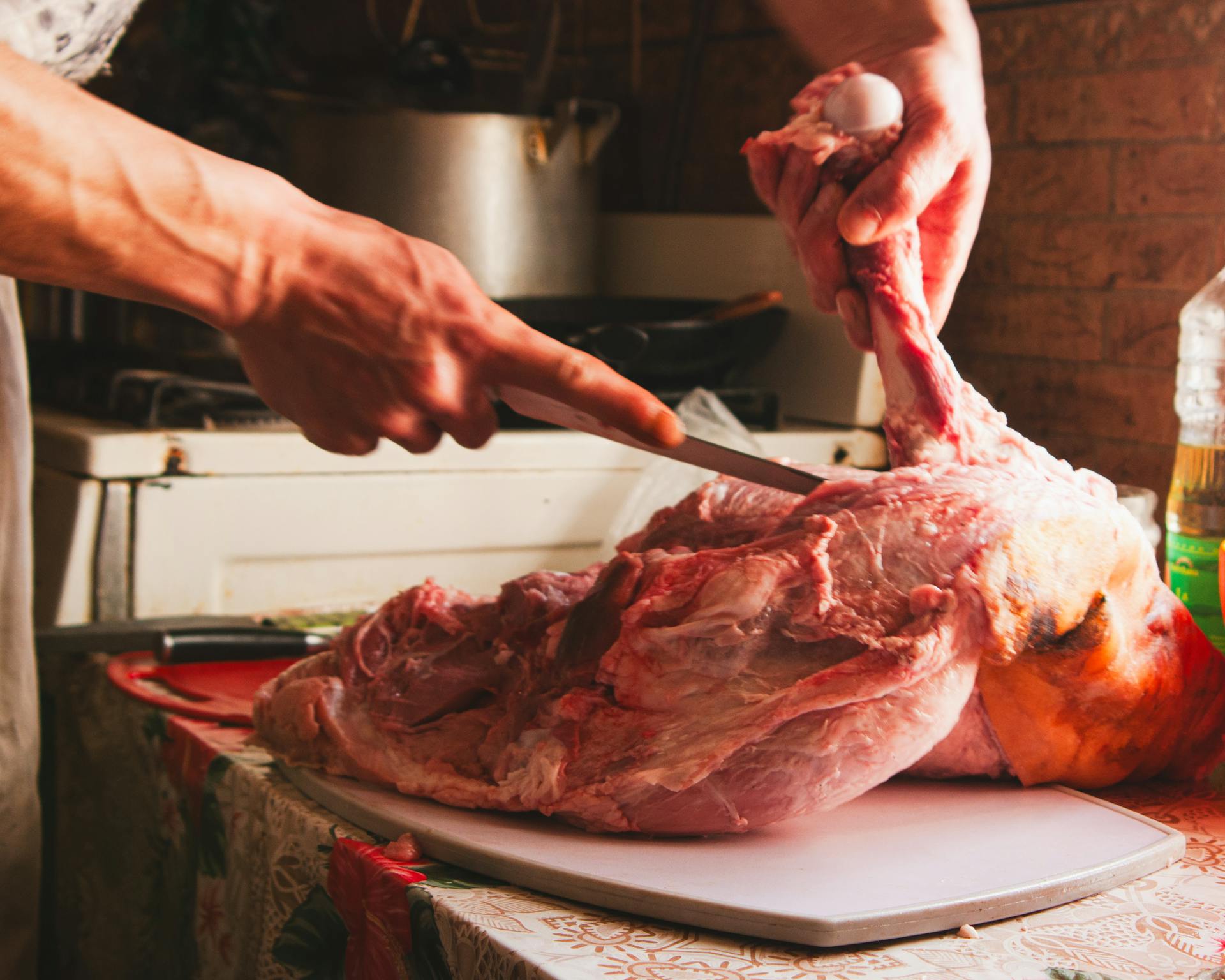
Food contamination at home rarely comes from one huge mistake. It’s usually several small careless moments piling up together during busy gatherings. One of the biggest issues is cross-contamination, especially when multiple people are preparing food together. Someone cuts raw chicken, leaves the knife nearby, and another person uses it without realising. A serving spoon accidentally gets mixed with utensils that touched uncooked meat earlier. These things sound minor until someone gets sick afterwards and nobody can figure out what caused it.
Refrigerators Struggle More Than People Realise
Overloaded refrigerators are another problem people rarely think about. During celebrations, refrigerators stop being organised spaces and start becoming storage puzzles. Containers are stacked everywhere. Drinks are squeezed into corners. Marinated meat sits beside leftovers because there’s nowhere else to put it. Once that happens, cold air stops circulating properly. Some food stays cold enough. Other items don’t.
The frustrating part is that unsafe food usually does not look unsafe. Because the refrigerator’s temperature fluctuates, germs can slowly grow while meat still smells perfectly natural. When the weather becomes warmer and kitchens get hot from hours of cooking, this becomes even more apparent. Frequent refrigerator openings during the day simply worsen the situation.
Leaving meat exposed while cooking other meals or waiting for guests to arrive is another typical practice. If the room “doesn’t feel that warm,” many people believe it is harmless. Unfortunately, bacteria does not care whether the kitchen feels comfortable or not.
Food Sharing Traditions
Many celebrations involve more than feeding one household. During Eid al-Adha, meat is commonly distributed among relatives, neighbours, and families in need. That adds another responsibility because food is being transported, divided, and stored across different homes within a short period. For that reason, more families now use organised services for Qurbani arrangements, especially when proper handling and reliable distribution matter.
Similar situations exist in other cultures too. Thanksgiving leftovers get packed and shared with relatives. Community feasts in different parts of Africa and Asia involve cooking in very large quantities. Outdoor barbecue gatherings in Latin America sometimes continue for an entire afternoon.
The traditions themselves may differ, but once food is being prepared for large groups of people, hygiene becomes part of the responsibility, whether anyone enjoys thinking about it or not.
Awareness of Kitchen Hygiene
A few years ago, most people mainly associated food safety with restaurants or commercial kitchens. Now people pay attention to things they previously ignored. Proper thawing. Refrigerator temperature. Cleaning surfaces between tasks. Even quick cooking videos on the internet have raised household awareness of common hygiene errors that were previously thought to be quite acceptable. To be honest, some of those tiktok and instagram videos have made individuals aware of the numerous risky behaviours they were exposed to as growing up without challenging them.
The World Health Organization and the U.S. Food and Drug Administration, for example, keep reiterating the same fundamental recommendations since many food-related diseases are still avoided each year by adopting simple practices.
Keep cooked and uncooked food separate. Clean surfaces properly. Don’t overload the fridge. Store leftovers earlier instead of “later.” Simple things. Easy to forget once the house gets loud and crowded.
Good Gatherings Usually Depend on Small Invisible Habits
Most people remember the atmosphere of a celebration long after it ends. The conversations. The food. The relatives sitting together after hours of preparation. No one recalls whether the fridge was set up correctly or if the counter was cleaned twice, but those unseen behaviours are typically what prevent a pleasant event from later becoming tense.
Safe food handling is not the exciting part of celebrations. Nobody talks about it much while eating. Still, behind most successful family meals are usually someone quietly paying attention to details that everybody else overlooks.